
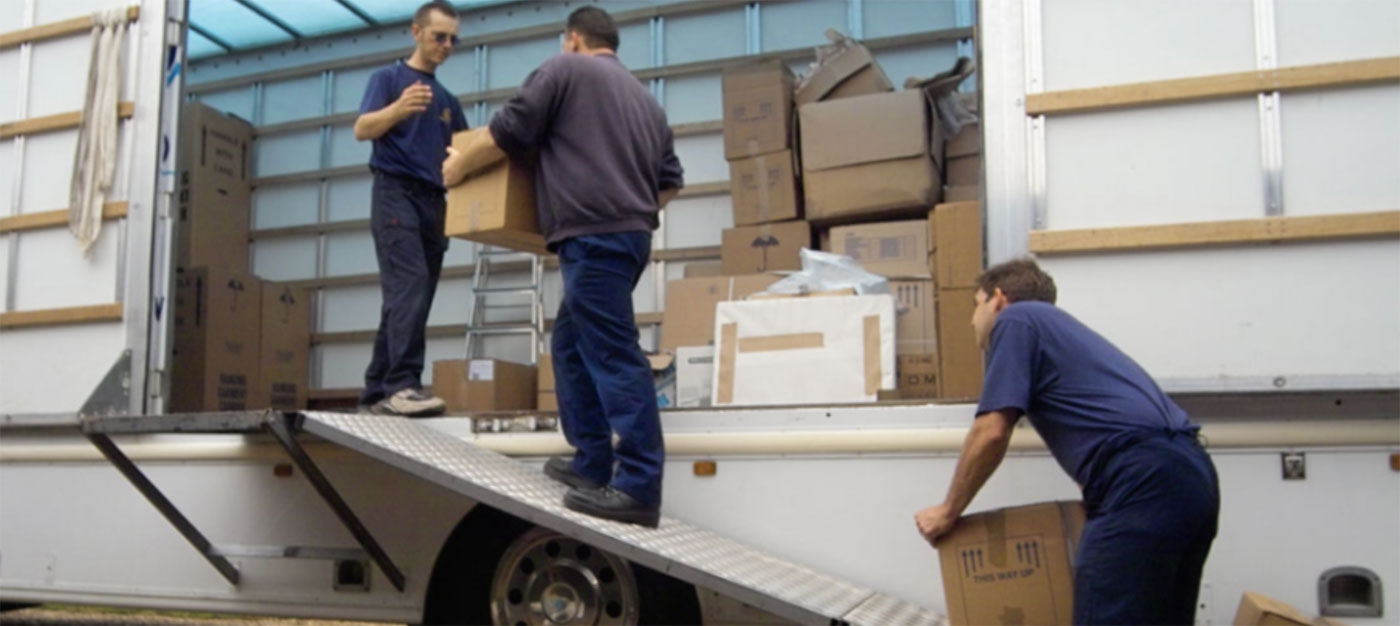
To downsize and declutter successfully before moving house, you must audit your belongings room by room well before packing begins, systematically sorting every item into four clear categories: keep, donate or sell, recycle or discard, and short-term storage. By parting with duplicates, outgrown items, broken goods, and ill-fitting furniture before moving day, you significantly lower the volume of goods to transport, lower your removal costs, and ensure you unpack only what you genuinely use and cherish in your new home.
Why Decluttering Prior to Your Move is Essential
Transporting possessions you no longer need, want, or use is an unnecessary expense. Removal quotes reflect the overall volume of goods, the time required to load and unload them, and the materials needed to protect them. Packing up items just to unpack them into a cupboard or attic in your next property creates needless fatigue during what should be an exciting new chapter.
Moving to a smaller property—or simply moving to a home with different storage proportions—requires an honest evaluation of daily essentials. Properties with fewer built-in wardrobes, limited eaves storage, or no external shed demand careful curation of what makes the journey. A thorough sort-out ahead of time provides total clarity, allowing you to book precisely the right vehicle capacity and crew size.
The Four-Category Sorting Strategy
To maintain momentum without becoming overwhelmed, apply a disciplined four-category approach to each room. Avoid handling an item more than once before deciding where it belongs. Place four clear markers, bags, or crates in your workspace:
- Keep: Items that serve a clear daily or weekly utility, fit the dimensions of your future rooms, or hold genuine, irreplaceable personal significance.
- Donate or Sell: Good-quality furniture, clothing, books, and working appliances that no longer fit your lifestyle but carry remaining value for someone else.
- Recycle or Discard: Broken goods, incomplete games, expired products, frayed linens, and paperwork beyond its retention date that cannot be rehomed.
- Interim Storage: Pieces you plan to keep for a specific future purpose, seasonal gear, or heirloom pieces where a final decision depends on finishing decorating or refurbishment.
Resist the urge to create a 'maybe' pile. Ambivalent decisions almost always result in clutter travelling onto the removal lorry by default, only to sit unopened in boxes months after you collect the keys.
Tackling the Storage Hotspots First
The golden rule of pre-move downsizing is to begin in the areas containing the least emotional attachment and the highest volume of dormant clutter. Lofts, garages, basements, and garden sheds should always be your starting point. These utility zones hold items that are already out of sight, meaning you can clear them out weeks in advance without disrupting your household's day-to-day routine.
Inspect the loft carefully for old luggage, outgrown sports kit, obsolete electronics, and half-empty boxes from previous moves. In the shed or garage, evaluate redundant garden tools, dried-out tins of paint, rusted hand tools, and spare building materials left over from past home improvements. Remember that hazardous substances like old petrol, solvents, and certain garden chemicals cannot legally or safely be transported by professional removal crews, so disposing of them early at your local municipal recycling centre is essential.
Room-by-Room Downsizing Advice
Once outbuildings and storage recesses are cleared, proceed methodically through the living areas. Spend dedicated time in each room rather than jumping from zone to zone.
Wardrobes and Bedrooms
Clothing takes up an astonishing amount of space and weight. Pull all garments from your wardrobes, dressers, and under-bed storage into one daylight space. Sort them rigorously using the 'one-year rule': if an item has not been worn across a full cycle of four seasons, it is an ideal candidate for donation or textile recycling. Check that suits, coats, and formal wear still fit comfortably. Pare down your bed linen collections to two or three sets per bed; mismatched pillowcases and worn-out duvets can often be donated to local animal rescue shelters.
The Kitchen and Utility Areas
Kitchens present a distinct packing challenge due to fragile china and heavy culinary equipment. Assess novelty gadgets that rarely leave the back of the cupboards—such as ice-cream makers, duplicate blenders, or single-use slicers. Weed out chipped mugs, warped baking trays, and food storage containers missing their matching lids. In the weeks approaching your move, deliberately plan meals around the contents of your freezer and dry larder to reduce the volume of food to manage on moving day.
Living Rooms, Home Offices, and Entertainment
Evaluate media collections and books, which add significant deadweight to packing cartons. If you have shifted towards digital reading or streaming services, consider donating paperbacks, reference books, DVDs, and CDs to charity shops or community book exchanges. For home offices, shred out-of-date utility bills, expired insurance papers, and duplicate bank statements while digitising vital documentation onto a secure hard drive or cloud backup.
Handling Sentimental Belongings With Care
Sentimental items are the primary bottleneck in any decluttering project. Heirlooms, childhood schoolwork, photo albums, and gifts from loved ones carry strong emotional weight that can quickly stall your progress. Leave these until later in the process, once your decision-making instincts are sharp.
Remember that parting with an object does not mean discarding the memory it represents. Photograph bulky childhood art projects, commemorative ornaments, or vintage furniture before finding them a new home. If family heirlooms must be moved on due to lack of space, offer them to relatives or explore donating them to regional museums or historical collections where they will be preserved and appreciated.
Measuring Up: Will Your Furniture Fit?
Downsizing often means adjusting to different room proportions, narrower hallways, or lower ceilings. Obtain architectural floor plans or take precise measurements of your new property before deciding which large furniture items to bring. Measure doorways, stairwells, and tight turns to ensure substantial wardrobes, American-style fridge-freezers, and three-seater sofas can physically access the rooms.
If a treasured sideboard or extending dining table clearly overpowers your upcoming living space, sell it while you still have room to photograph and showcase it cleanly, or arrange collection by a local charity that handles large furnishings.
Related pages
Using Temporary Storage as a Safety Valve
Sometimes downsizing involves moving between properties where immediate layouts or renovation plans remain fluid. Trying to force non-essential items into a home undergoing plastering, decorating, or floor installation creates unnecessary clutter and risks damage.
Utilising clean, containerised storage allows you to move into your primary living spaces with only the furnishings you need immediately. Once the carpets are laid and you understand how the light and traffic flow across your new rooms, you can gradually retrieve stored items or release those that clearly have no natural place in your new surroundings.
Partnering With Professionals for a Streamlined Move
Once your possessions are trimmed to what you truly value, the logistics of your relocation become simpler, faster, and more economical. Packing teams can complete their work cleanly, cartons can be labelled by target room without ambiguity, and unloading proceeds without navigating stacks of unwanted bric-a-brac.
Whether you are moving from a large family home in Guildford, relocating to a flat in Leatherhead, or managing an estate downsizing elsewhere in Surrey, planning ahead guarantees a peaceful transition. Contact our team to schedule a pre-move home survey, discuss our protective packing solutions, or explore flexible storage options tailored to your schedule.
FAQs
Questions about this moving guide
01How far in advance of my move should I begin decluttering?
Aim to start at least eight to twelve weeks prior to your anticipated completion or move date. This gives you ample time to sell items online, organise charity collections for heavy furniture, and visit recycling centres without pressure.
02What should I do with furniture that won't fit into my new home?
Measure both the furniture and your new doorways early. Items in good condition with valid fire safety labels can be donated to charity shops with free furniture collection services, sold via local classifieds, or placed in secure storage while you seek a buyer.
03Can removal companies dispose of unwanted household waste for me?
Licensed removal firms focus on transporting domestic goods safely rather than general refuse clearing. Items intended for disposal should be taken to your local council civic amenity site, cleared via an authorized waste carrier, or collected by local bulky waste services before moving day.
04How does decluttering lower my overall removal costs?
Removal estimates are determined largely by the total cubic volume of possessions, the amount of packing material required, and the size of the lorry and crew needed. Reducing your load decreases both loading hours and transit requirements.