
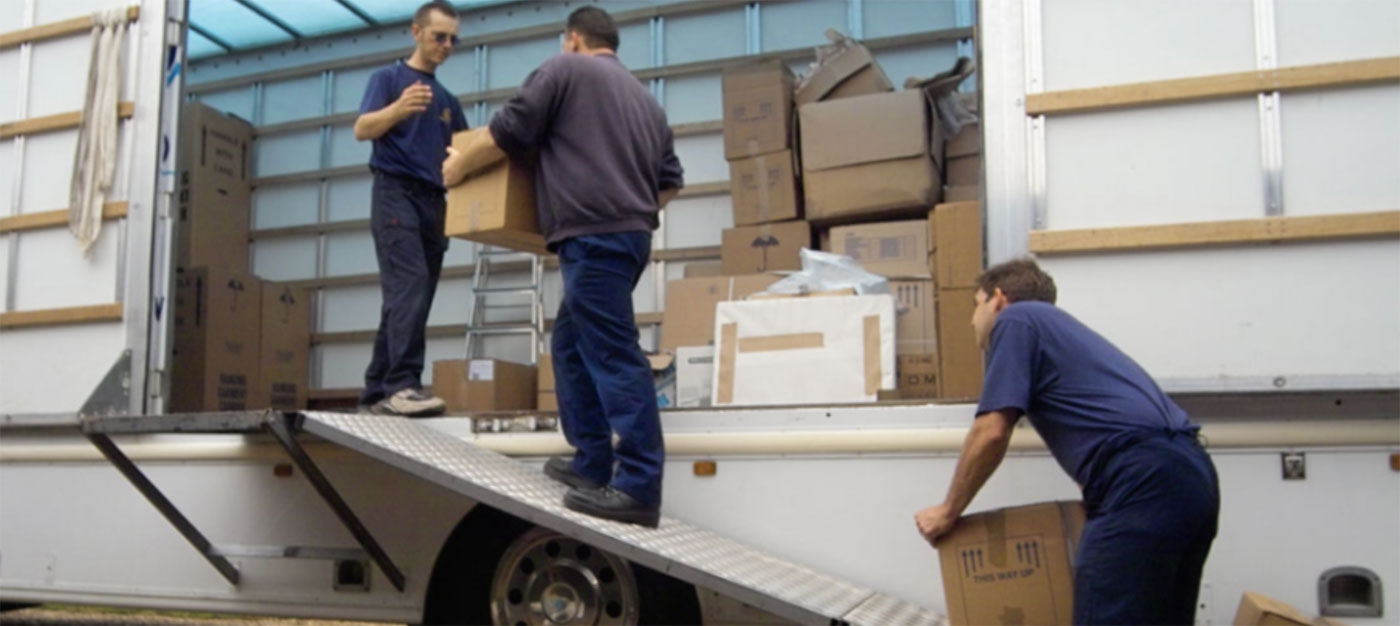
To pack properly when moving house, work room by room starting with least-used spaces, declutter before you begin, and assemble heavy-duty double-walled corrugated cartons with high-grade vinyl packing tape. Wrap fragile items individually in clean unprinted packing paper, nest heavy items at the base of smaller boxes, fill internal voids with crushed paper so nothing shifts inside, and clearly label two adjacent sides of every carton with the destination room and contents. Following this structured approach protects your belongings against transport damage, keeps boxes manageable to carry, and ensures a calm, orderly arrival at your new property.
Preparation: What You Need Before You Pack a Single Box
Rushing into packing without the correct materials leads to broken possessions, torn boxes, and immense frustration on moving day. Grocery shop cartons and thin single-wall boxes are not engineered to withstand the weight of household goods or the compressive forces inside a removal vehicle. Investing in proper trade-quality packaging supplies guarantees that your boxes stack securely and protect their contents across transit.
Before you seal your first carton, gather these fundamental supplies:
- Double-walled cardboard boxes in small (book cartons), medium (general housewares), and large (bedding, lampshades) sizes.
- Heavy-duty brown packing tape or cross-weave filament tape, ideally paired with a smooth pistol-grip tape dispenser.
- Generous bundles of unprinted white packing paper (butcher's paper) for chinaware, glassware, and filling empty spaces.
- Biodegradable void-fill chips or bubble wrap for delicate ornaments, mirrors, and electronic goods.
- Wardrobe cartons with metal hanging rails for tailored clothing, suits, and evening wear.
- Heavy-duty polythene mattress covers to safeguard against dampness, dust, and friction marks during transit.
- Thick permanent marker pens in contrasting colours for clear, legible labelling on box exteriors.
The Decluttering Phase: Moving Less Means Moving Better
The simplest and most cost-effective way to make packing easier is to reduce the overall volume of goods you intend to move. Moving house offers a rare opportunity to audit every drawer, cupboard, loft joist, and garden outbuilding. Transporting obsolete furniture, worn-out clothing, duplicate kitchen utensils, and broken toys drains your energy and inflates removal costs.
Go through one space at a time and sort possessions into four distinct categories: keep, sell, donate, and recycle. Local charity shops throughout Surrey welcome quality clothing, books, and bric-a-brac, while community recycling centres handle electrical waste and garden debris. Be honest about items that have sat untouched in cupboards for years; if an item serves no practical or sentimental purpose, rehome it before moving week arrives.
Room-by-Room Packing Strategies
Tackling an entire home at once can feel overwhelming. By focusing on one zone at a time, you maintain order and preserve functional living areas right up until the final days before completion.
1. The Kitchen: Plates, Glasses, and Pantry Items
The kitchen generally takes the longest time to pack because it holds the highest concentration of fragile and oddly shaped objects. Prepare double-walled medium cartons by taping the bottom seams securely with an H-pattern across all joins, then pad the interior floor with a crumpled layer of packing paper.
Always pack dinner plates, side plates, and saucers vertically on their rims, never flat like a stack of pancakes. Flat plates placed horizontally break easily under pressure, whereas vertical plates distribute shock waves evenly. Wrap each piece in paper, bundle small groups together, and insert them firmly on edge. Pack wine glasses and mugs upright, stuffing the bowls with scrunched paper to reinforce delicate stems. Fill every air pocket with additional paper before closing the flaps. For food supplies, consume chilled and frozen foods in the weeks prior to moving, seal dry pantry goods in clip-top bags, and discard open containers containing cooking oils that might leak over surrounding surfaces.
2. Living Areas: Electronics, Artwork, and Books
Books and printed media are deceptively heavy. Always pack books in small, robust book boxes rather than large cartons. Pack them flat or spine-to-spine to avoid warping bindings, and keep box weights under 20 kilograms so they can be handled safely without tearing.
For television screens, monitors, and audio equipment, photograph cable arrangements on your phone before unplugging anything. If you no longer have original manufacturer packaging, wrap screens in anti-static bubble wrap followed by thick furniture blankets, securing them firmly with tape without touching screen surfaces directly. Protect framed artwork, oil paintings, and mirrors using corner protectors and picture boxes, taping a gentle X shape across glazed panes to minimise movement.
3. Bedrooms and Wardrobes
Wardrobe cartons save significant time when packing clothing. You can transfer garments straight from your rail into the carton on their original coat hangers, preventing creasing and eliminating the need for folding and re-ironing. Fold casual items such as t-shirts, jeans, and knitwear neatly into medium boxes, or use soft items as clean buffers around irregularly shaped possessions.
Strip bedding and pillows into heavy-duty polythene bags or large storage bags; these light, flexible bundles make great shock absorbers inside the removal van. Enclose all mattresses in heavy plastic covers before moving them through doorways, stairwells, and garden paths.
4. Bathrooms and Utility Spaces
Bottles of shampoo, detergent, bleach, and cosmetics present serious spillage hazards. Screw caps tightly, unscrew pump dispensers into their locked positions, and seal lids with a short band of tape. Place liquids together in small plastic tubs or line cartons with waterproof liner bags before packing. Dispose of hazardous household chemicals, garden weedkillers, and half-empty paint tins responsibly, as reputable removal firms cannot transport volatile or inflammable substances.
Core Principles for Secure Boxing
Following a few proven loading principles prevents box collapses, transit damage, and handling injuries:
- Heaviest items go on the bottom, lighter items on top. Never place cast-iron pans or heavy hardbacks over glassware.
- Eliminate empty interior space. If a carton yields when you press down on its closed top flaps, it will crush when stacked. Fill gaps with scrunched paper or spare towels.
- Avoid over-packing cartons until their tops bulge. Box tops must sit completely flat so they stack square against van bulkheads.
- Seal cartons with the H-taping technique: run tape along the centre seam where flaps meet, then run two strips across the open side edges to lock moisture and dust out.
- Write clear labels on the sides of cartons, not the top. When boxes are stacked three or four high against a wall, top labels become completely hidden from view.
Packing the 'Day One' Survival Kit
When the moving lorry drives away from your new home and you face a sea of taped cartons, hunting for a toothbrush or phone charger is the last thing you want to do. Prepare a dedicated 'Day One' box or bag that travels in your car with you, never inside the removal vehicle.
This survival kit should include:
- A kettle, mugs, tea bags, coffee, sugar, long-life milk, and a teaspoon.
- Essential phone chargers, tablet adapters, and power banks.
- Bed linen, duvet, pillows, and towels for your first night.
- Daily medications, pain relief, plasters, and personal wash kits.
- A utility knife or scissors to cut through packing tape on arrival.
- A torch, spare batteries, cleaning wipes, a roll of kitchen towel, and toilet rolls.
- Important family documents, passports, completion paperwork, and house keys.
Should You Pack Yourself or Book a Professional Packing Service?
Self-packing demands considerable time and physical effort. For a typical three- or four-bedroom home, sourcing boxes, wrapping chinaware, and packing every room takes between forty and sixty hours of focused work alongside your ordinary professional and domestic commitments.
Professional packing services provide trained moving crews who arrive with export-grade cartons, protective wrapping, and custom crates. A crew can safely pack an entire family home in a single day, dramatically cutting pre-move stress and guaranteeing that high-value, delicate heirlooms receive industry-standard protection throughout your relocation.
FAQs
Questions about this moving guide
01How many weeks before moving should I start packing?
Start packing non-essential items approximately three to four weeks before your moving date. Begin with roof spaces, garages, seasonal clothing, and formal dinnerware, working gradually into daily living spaces during the final week.
02Can I leave clothes inside chest of drawers during a move?
Lightweight items such as socks, t-shirts, and underwear can usually remain in solid wood drawers if the unit is structurally sound. However, flat-pack furniture should always be emptied, as excess weight risks twisting the frame or breaking drawer runners in transit.
03Why shouldn't I use printed newspaper to wrap fragile items?
Newsprint ink rubs off easily onto delicate ceramics, fine bone china, porous stone, and pale glassware when exposed to friction or minor humidity changes. Cleaning off ink residue takes immense effort, whereas clean white packing paper leaves zero marks.
04What items are removal companies not allowed to transport?
Removal vehicles cannot carry hazardous, inflammable, or explosive materials. This includes petrol cans, LPG gas cylinders, fireworks, car batteries, weedkillers, loose paints, thinners, and firearms without prior specialised clearance.