
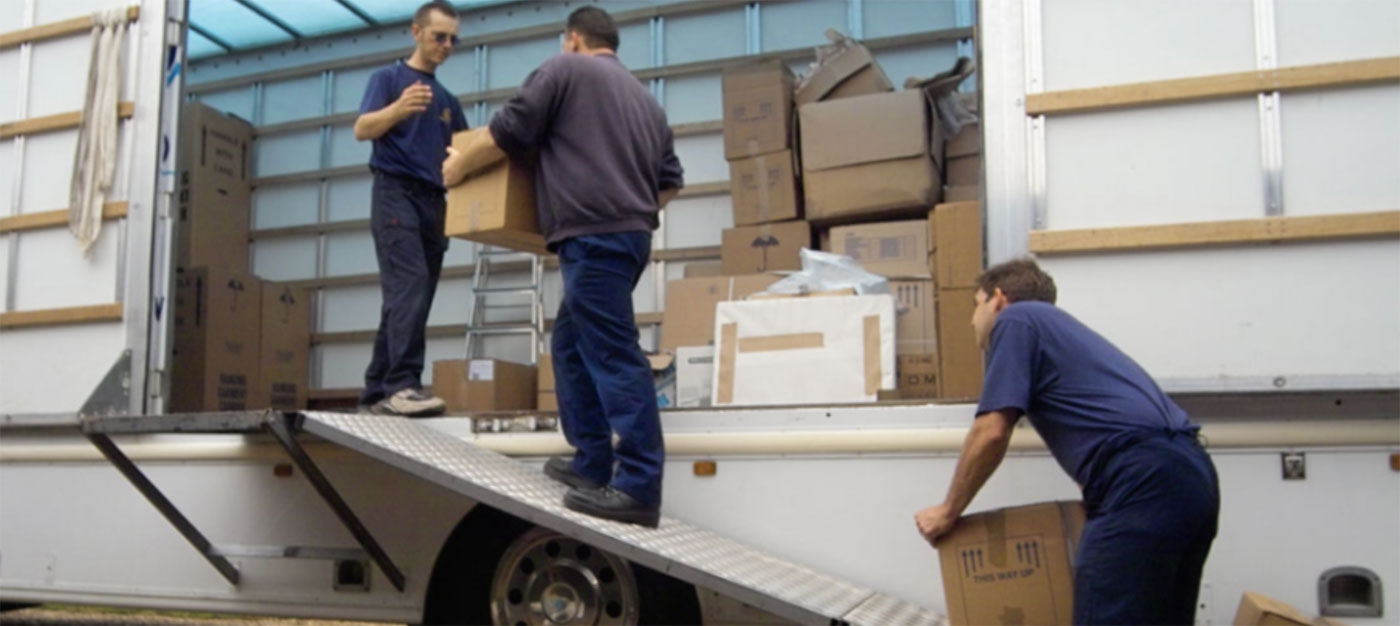
When moving house, you should not pack hazardous chemicals, flammable fuels, explosive materials, perishable food, living plants and pets, or vital personal items such as legal documents, daily medications, and high-value jewellery. Professional removal companies are legally prohibited from transporting dangerous goods under UK transport regulations and their goods-in-transit insurance policies. Keeping these items off the removal lorry protects your crew, safeguards your household possessions, and ensures you have everything necessary on move day.
Preparing for a house move requires thoughtful organisation. Knowing what must be excluded from the packing boxes early in the process saves significant time and avoids awkward delays when the loading team arrives at your doorstep.
Hazardous, Combustible, and Explosive Substances
Safety regulations strictly dictate what can travel in a removal vehicle. Enclosed cargo holds experience temperature variations and continuous movement during transit, creating serious risks of ignition, combustion, or corrosive chemical spills if volatile materials are packed alongside furniture and household textiles.
- Petrol, diesel, and paraffin, including residual fuel in lawnmowers, strimmers, and chainsaws (these must be fully drained beforehand)
- Pressurised gas cylinders, including patio gas bottles, butane, propane canisters, and diving tanks
- Aerosols, paint thinners, turpentine, white spirit, and flammable adhesives
- Fireworks, sparklers, flare signals, and loose ammunition
- Vehicle batteries, loose lithium-ion battery packs, and acid-based power units
Domestic garden chemicals, weedkillers, concentrated bleach, and drain unblockers also fall under prohibited goods. A split bottle can ruin upholstery, mattresses, and antique furniture while creating toxic fumes in an enclosed vehicle. Dispose of partially used chemicals safely or transport small, sealed amounts in your personal car inside a secured, leakproof container.
Perishable Groceries and Open Foodstuffs
While sealed dry goods like pasta, rice, and tinned items are perfectly fine to box up, perishable groceries must never be loaded onto a removal van. Delays during property completion or long drives along the M25 or A3 can cause refrigerated and frozen foods to spoil rapidly, ruining nearby belongings with liquids and foul smells.
- Chilled meats, fresh fish, and dairy produce
- Frozen items from your freezer compartment
- Opened jars of sauces, oils, dressings, and condiments that may leak during transit
- Fresh fruit, vegetables, and bakery items prone to bruising or mould
In the weeks leading up to your move, plan meals around the ingredients currently in your cupboards, fridge, and freezer. If you still have unopened, non-perishable surplus on moving day, consider offering it to neighbours or donating it to a local food collection point in your area.
Vital Documents, Heirlooms, and High-Value Belongings
Certain possessions are irreplaceable or critically necessary on moving day itself. Packing these away into taped cardboard boxes creates unnecessary stress and could leave you stranded without identification or legal paperwork when exchanging keys.
- Passports, driving licences, birth certificates, and marriage records
- House purchase agreements, tenancy contracts, solicitor correspondence, and bank records
- Prescribed medications, daily medical supplies, and spare eyeglasses
- Fine jewellery, precious stones, luxury watches, and family heirlooms
- Cash, chequebooks, and high-value portable electronics like laptops and hard drives containing backups
Goods-in-transit insurance covers furniture and general home contents, but policy conditions often exclude negotiable currency, bearer bonds, and specific luxury items above set limits. Keep these essential and high-value possessions in a separate bag or flight case that stays by your side throughout the journey.
Pets, Houseplants, and Living Organisms
A dark, enclosed removal van without climate control or ventilation is never suitable for living things. Both domestic pets and fragile houseplants can suffer severe stress, dehydration, or injury if subjected to the conditions inside a goods compartment.
Cats, dogs, and small animals should either travel in your personal vehicle with proper restraints or stay with friends or a local boarding kennel on moving day. For houseplants, arrange them securely in open plastic crates in your car boot, ensuring they are shielded from direct heat vents or chilling draughts during journeys between towns such as Guildford, Leatherhead, or Epsom.
Moving Day Essentials: What to Keep Outside the Boxes
One of the most common moving mistakes is boxing up day-one essentials. After a tiring day of loading and unloading, you do not want to tear open twenty unmarked cartons just to locate a mug or clean bedsheets. Keep a dedicated overnight bag and a clearly labelled essentials box accessible in your own car.
- A kettle, mugs, tea bags, coffee, milk, sugar, and bottled water
- Mobile phone chargers and portable battery power banks
- A basic toolkit with screwdrivers, an adjustable spanner, pliers, and a utility knife
- Toilet paper, hand soap, hand towels, and a basic first-aid kit
- A change of clothes, pyjamas, and bedding for every member of the family
Decluttering: What Not to Pack to Save Time and Money
Moving home presents the ideal opportunity to evaluate what you actually use and value. Packing, loading, and unpacking broken, outdated, or redundant items wastes both energy and packing materials, whilst unnecessarily inflating the volume of your load.
- Old clothing and shoes that have not been worn in over twelve months
- Broken electrical equipment, outdated cables, and obsolete computer parts
- Duplicate kitchen utensils, scratched pans, and surplus crockery
- Expired toiletries, cosmetics, and out-of-date medicines
- Old magazines, outdated reference books, and discarded paperwork
Categorise your items into keep, donate, sell, and recycle piles before the packing stage begins. Local charity shops and community groups across Surrey welcome quality clothing, books, and homewares, reducing waste and simplifying your packing routine.
Disposing of Prohibited Items in Surrey
If you have paint tins, garden chemicals, vehicle fluids, or gas canisters that cannot be transported to your next property, take them to a designated recycling facility rather than placing them in household waste. Surrey County Council operates Community Recycling Centres (such as those in Leatherhead, Slyfield in Guildford, and Epsom) where you can safely dispose of hazardous household waste, motor oil, and unwanted appliances.
Related pages
Clear Communication Ensures an Effortless Move
The key to a smooth moving day is transparency. If you are uncertain about whether a particular tool, substance, or oversized item can be loaded, check with your removals team beforehand. Professional movers can provide specific guidance, supply dedicated packing materials, or suggest safe alternatives to keep your move compliant, secure, and stress-free.
FAQs
Questions about this moving guide
01Can a removal company transport tins of paint?
Most removal companies cannot transport open tins of paint or oil-based paints due to the danger of chemical spills and fumes. Unopened tins of water-based emulsion may occasionally be permitted if sealed tightly in leakproof plastic containers, but you should always check with your removal crew in advance.
02How should I move my houseplants if they cannot go in the removal van?
Houseplants should be transported in your personal car. Place them in open-top sturdy boxes or plastic laundry baskets with towels wedged between pots to keep them upright. Avoid watering them heavily the morning of the move to prevent messy water leaks during the journey.
03What should I do with barbecue gas bottles when moving house?
Gas bottles cannot be loaded onto a removal van under any circumstances. You should return empty or unwanted cylinders to a local gas stockist or disposal facility, or safely secure and transport full cylinders upright in an open vehicle boot or well-ventilated personal car.
04Can I pack frozen food in a cooler box on the removal lorry?
It is not advisable. Removals can experience unforeseen delays during property completion or long-distance transits. Any temperature increase inside the van will cause frozen food to thaw, leak, and spoil, which poses a serious hygiene risk to your furniture and other boxed goods.